


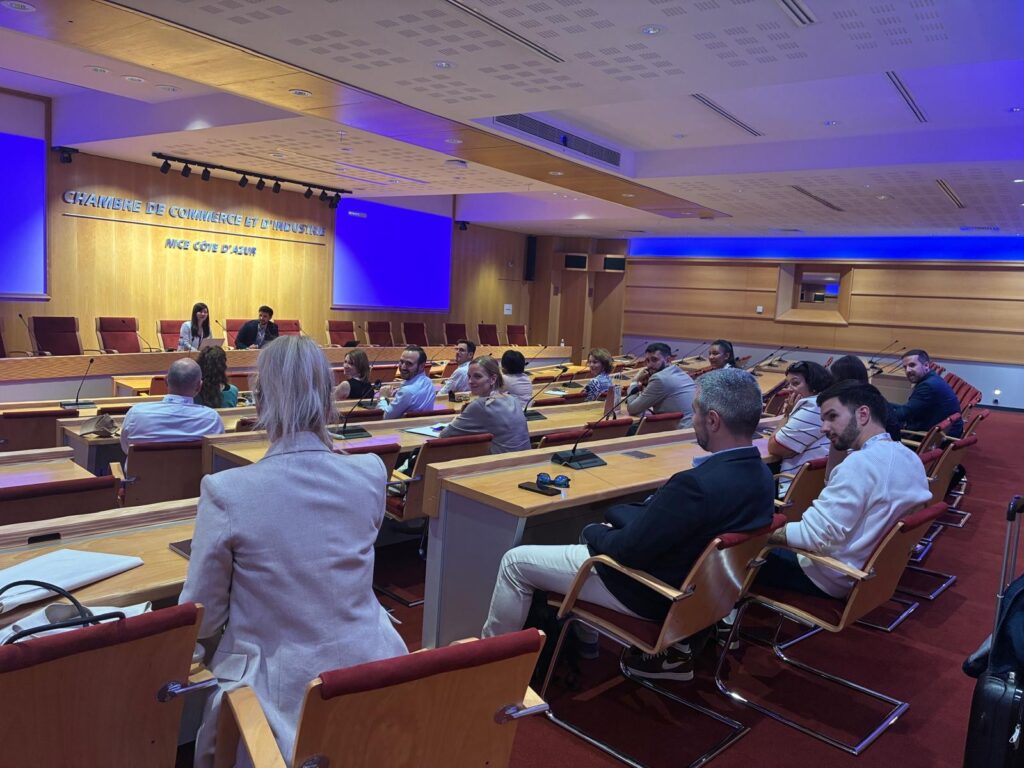
In early October, we participated in a beauty event hosted by Business France on the French Riviera, where we were able to experience the appeal of the French perfume and cosmetics industry. Our CEO also took part in a talk session on site. Please find the meeting notes below.
INDEX
- 1 1. On the growth of the Japanese fragrance market
- 1.1 Regarding the Japanese fragrance market : Which segments (niche, mainstream, lifestyle-oriented products) are showing the strongest growth dynamics?
- 1.2 What cultural, economical or societal shifts are most likely to accelerate its growth in the coming years?
- 1.3 Do you see younger generations driving this growth ? If so, how?
- 2 2. On changing consumer lifestyles and values
- 3 3. Opportunities and challenges for European brands
- 3.1 How can niche fragrance houses differentiate themselves through branding, storytelling, and retail experiences to appeal to Japanese consumers?
- 3.2 What advantages do European, and particularly French, brands have in appealing to Japanese consumers?
- 3.3 What can be the main challenges and pitfalls these brands face when entering the Japanese market ?
- 3.4 In your view, which strategies (local collaborations, storytelling, digital marketing, immersive retail) are most effective for market entry?
- 4 4. Perception of French brands and new value standards
- 4.1 ? French fragrances have long been associated with timeless luxury. Do you think the traditional codes of French luxury remain attractive ? Do Japanese consumers still see them through that lens, or are new criterias redefining the perception of “French luxury”?
- 4.2 How can French brands position themselves in relation to new value standards?
- 4.3 What cultural or lifestyle shifts are most likely to accelerate fragrance adoption in Japan in the next few years?
- 5 5. Future outlook
1. On the growth of the Japanese fragrance market
Regarding the Japanese fragrance market : Which segments (niche, mainstream, lifestyle-oriented products) are showing the strongest growth dynamics?
The strongest growth is in niche fragrances. Japanese consumers are increasingly drawn to scents that feel personal and unique—especially brands that are “first in Japan” or offer exclusivity.
What cultural, economical or societal shifts are most likely to accelerate its growth in the coming years?
Japan has shifted from a period of mass consumption to one where individuality and self-expression are prioritized. The pandemic further accelerated this trend, as more time at home increased demand for products that bring personal satisfaction and emotional comfort.
Do you see younger generations driving this growth ? If so, how?
While Japan’s rapidly aging society means younger consumers are not the sole growth driver, their influence—particularly through social media—is shaping the habits of the next generation and gradually broadening fragrance adoption.

2. On changing consumer lifestyles and values
In what ways is the concept of “luxury” evolving in Japan ?
Luxury is evolving from a symbol of status to a source of personal fulfillment and individuality. Rather than external validation, consumers now value products that enrich their own experiences. Reviews and social proof play an important role, but ultimately, luxury is being redefined as something that is meaningful on a personal level.
How do shifting values intersect with the perception of luxury in Japan?
Traditionally, luxury was judged by brand name and price. Today, new criteria—such as authentic storytelling, and emotional connection—are increasingly important. These values are reshaping luxury into an experience that combines material quality with self-expression and cultural resonance.
3. Opportunities and challenges for European brands
How can niche fragrance houses differentiate themselves through branding, storytelling, and retail experiences to appeal to Japanese consumers?
Storytelling is key. Much like Japan’s appreciation for manga and anime, consumers value immersive worlds and narratives. They want to understand the creator’s philosophy and envision how the brand fits into their own lifestyle before committing to purchase.
What advantages do European, and particularly French, brands have in appealing to Japanese consumers?
French products carry strong associations of beauty, craftsmanship, and tradition. By communicating the challenges, values, and intentions behind creation—who Japanese it is for, when and how it should be enjoyed—French brands can build deep resonance, even if they are new to the market.
What can be the main challenges and pitfalls these brands face when entering the Japanese market ?
The challenge is differentiation. With so many French products already available in Japan, brands must clearly define what sets them apart and articulate precisely who should use their products, when, and in what context. Otherwise, even beautiful products risk being overlooked.
In your view, which strategies (local collaborations, storytelling, digital marketing, immersive retail) are most effective for market entry?
Japanese consumers tend to be quite cautious toward new brands and often rely on recommendations from friends, family, or celebrities. Therefore, digital marketing that communicates a compelling brand world, combined with influencer partnerships that create familiarity and relatability, can be highly effective in building trust and awareness.
4. Perception of French brands and new value standards
? French fragrances have long been associated with timeless luxury. Do you think the traditional codes of French luxury remain attractive ? Do Japanese consumers still see them through that lens, or are new criterias redefining the perception of “French luxury”?
Both are true. The tradition and artistry of French luxury remain highly appealing. However, the market is extremely competitive, and simply placing products on shelves is no longer sufficient. Brands must emphasize their history, highlight how they differ from others, and clearly define which consumers their products are intended for.
How can French brands position themselves in relation to new value standards?
By embracing a balance of tradition and modernity. While celebrating heritage and craftsmanship, brands should also incorporate contemporary values such as gender neutrality, and individuality. This dual positioning allows them to connect with younger generations without losing their identity.
What cultural or lifestyle shifts are most likely to accelerate fragrance adoption in Japan in the next few years?
Three main shifts:
1. Post-pandemic prioritization of personal time and self-care.
2. A move from mass consumption to selective, curated consumption.
3. The rise of social media, which shortens the distance between brands and consumers and creates more opportunities for emotional connection.

5. Future outlook
What role will niche fragrances play in that future landscape?
The future of niche fragrances in Japan looks promising. Over the past 5 years, the fragrance category has grown from only a few percent of the cosmetics market to over 10%. With the right strategies, there is significant room for new entrants. “First in Japan” niche brands in particular will continue to attract attention.
What advice would you give to a French brand aiming for long-term success in Japan?
Success requires a deep understanding of Japanese lifestyles. Brands should clearly define who their products are for, where and when they should be used. In Japan, smaller formats like 30mL bottles sell best, reflecting more restrained consumption habits. Since Japan also has a strong culture of cleanliness, lighter, fresher, and more transparent scents are more likely to resonate.